30% off
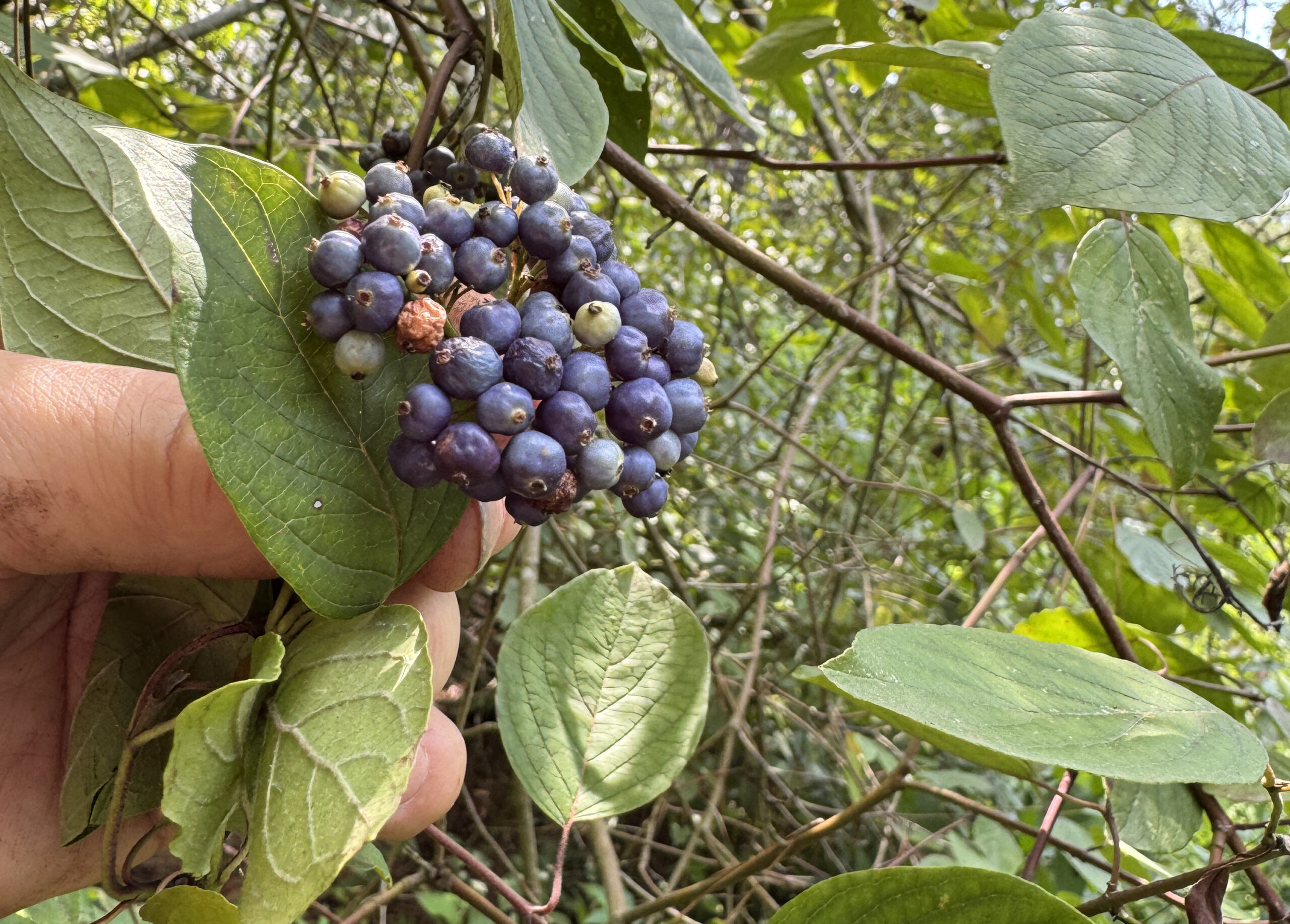
- Swida amomum (Silky Dogwood): Silky Dogwood has feathery clusters of creamy flowers in late spring, bright blue berries for the birds in mid-summer, and buttery yellow leaves in the fall - 1 GALLON ONLY
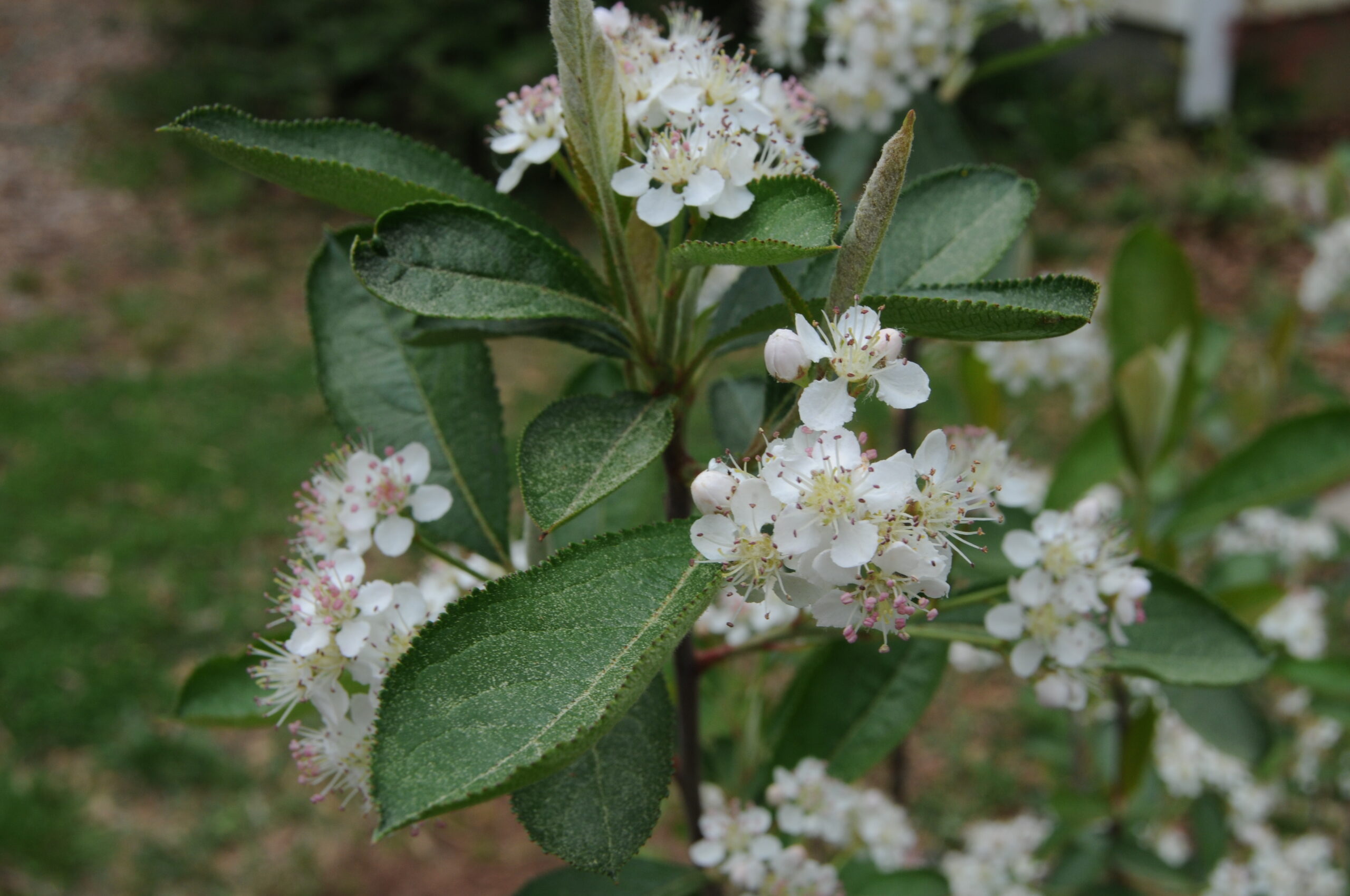
- Aronia arbutifolia (Red Chokeberry): Slender shrub with apple blossom-like flowers in late March, showy red fall foliage, and late-ripening, winter-persistent, crimson berries that feed wildlife through the winter.
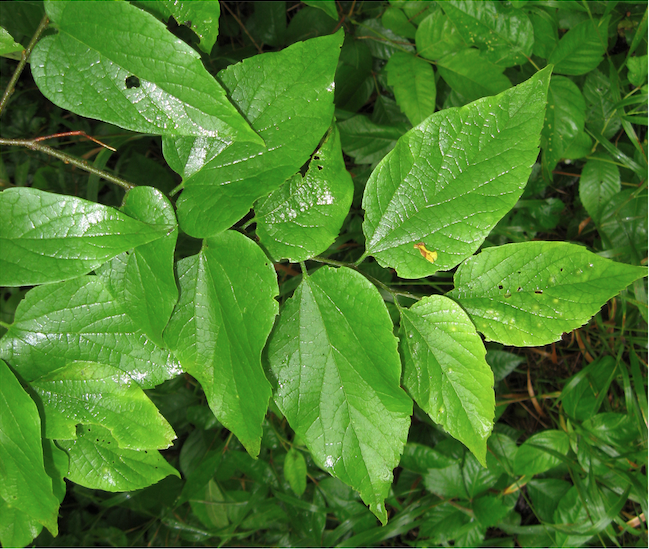
- Celtis pumila (Dwarf Hackberry): This is a smaller, upland species of Hackberry that is drought-tolerant. Hackberry trees occur around the globe and have provided high-protein sustenance for humans from Neolithic times until the modern era. Their berries are also an important source of protein-rich fuel for migratory birds the world over.

- Euonymus americanus (Hearts A Bustin): Twiggy, woodland shrub with bright red fruits that split open in late summer and striking green branches - 1 GALLON ONLY

- Ilex decidua (Possumhaw): A deciduous holly, Possumhaw has brilliant scarlet berries to feed the migratory birds in the fall.
50% off
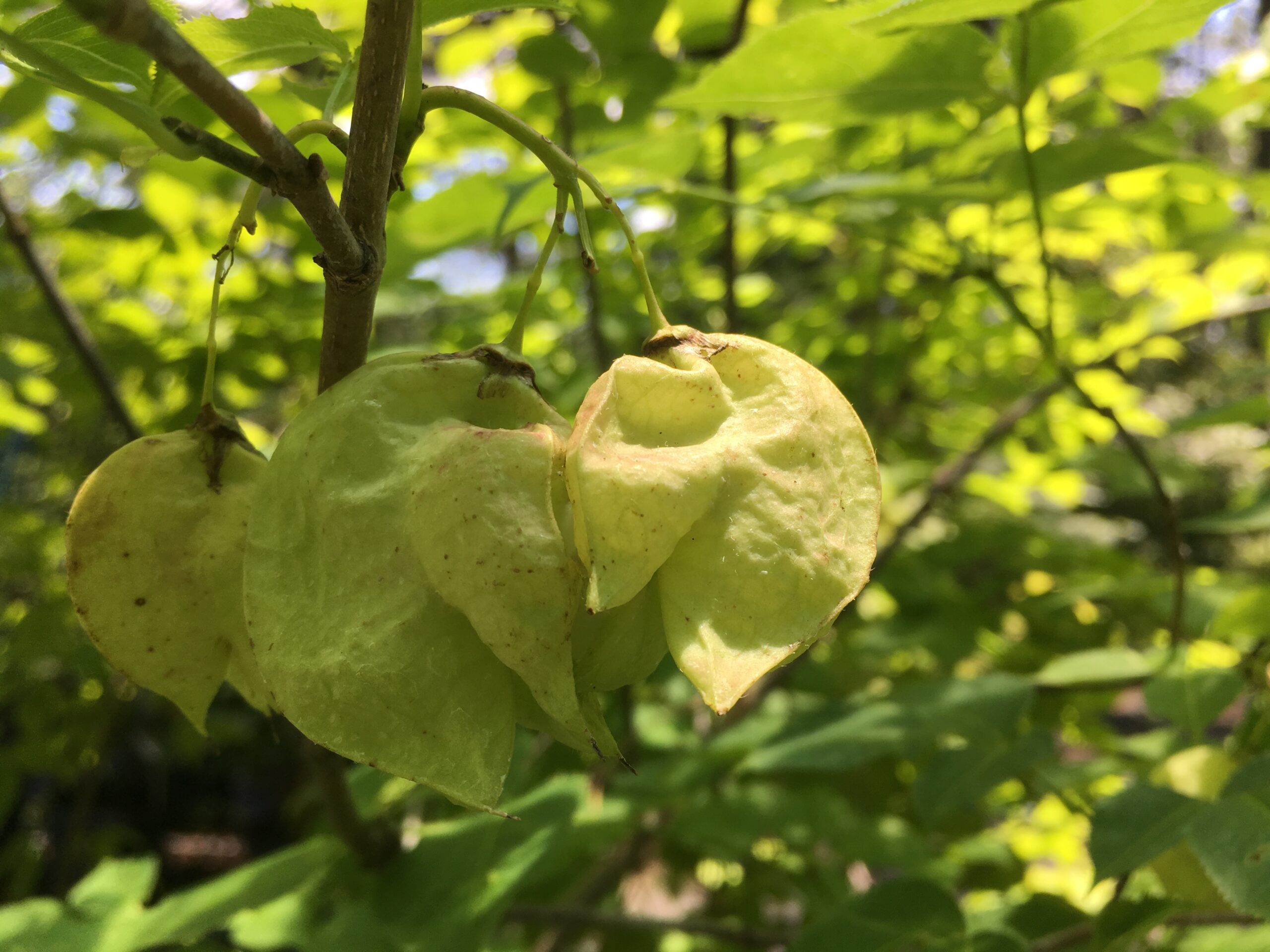
Staphylea trifolia (American Bladdernut): A member of the Rue family, Bladdernut is a critical bottomland species with drooping clusters of white flowers in April, while its interesting lantern-like seed pods grow and develop all summer. This shrub is a host for the Giant Swallowtail butterfly and provides a good nesting platform for songbirds.
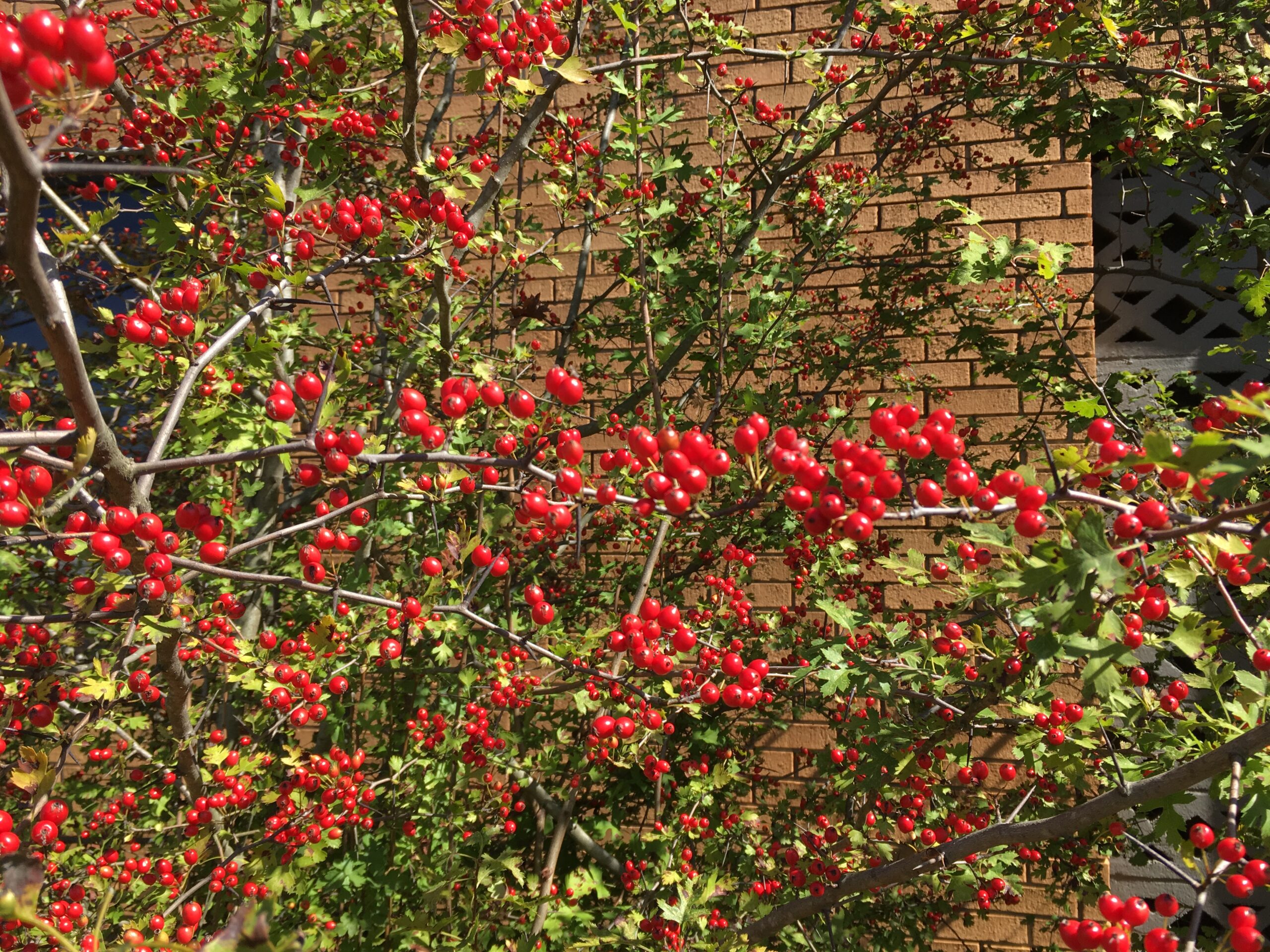
Crataegus marshallii (Parsley-leaf Hawthorn): A semi-xeric and drought-tolerant species with scarlet, winter-persistent berries. Excellent nesting platform for songbirds; squirrels and cats cannot get past the thorns.